Application and Advantages of Fully Automatic Discrete Chemical Analyzers in the Petroleum and Chemical Industry
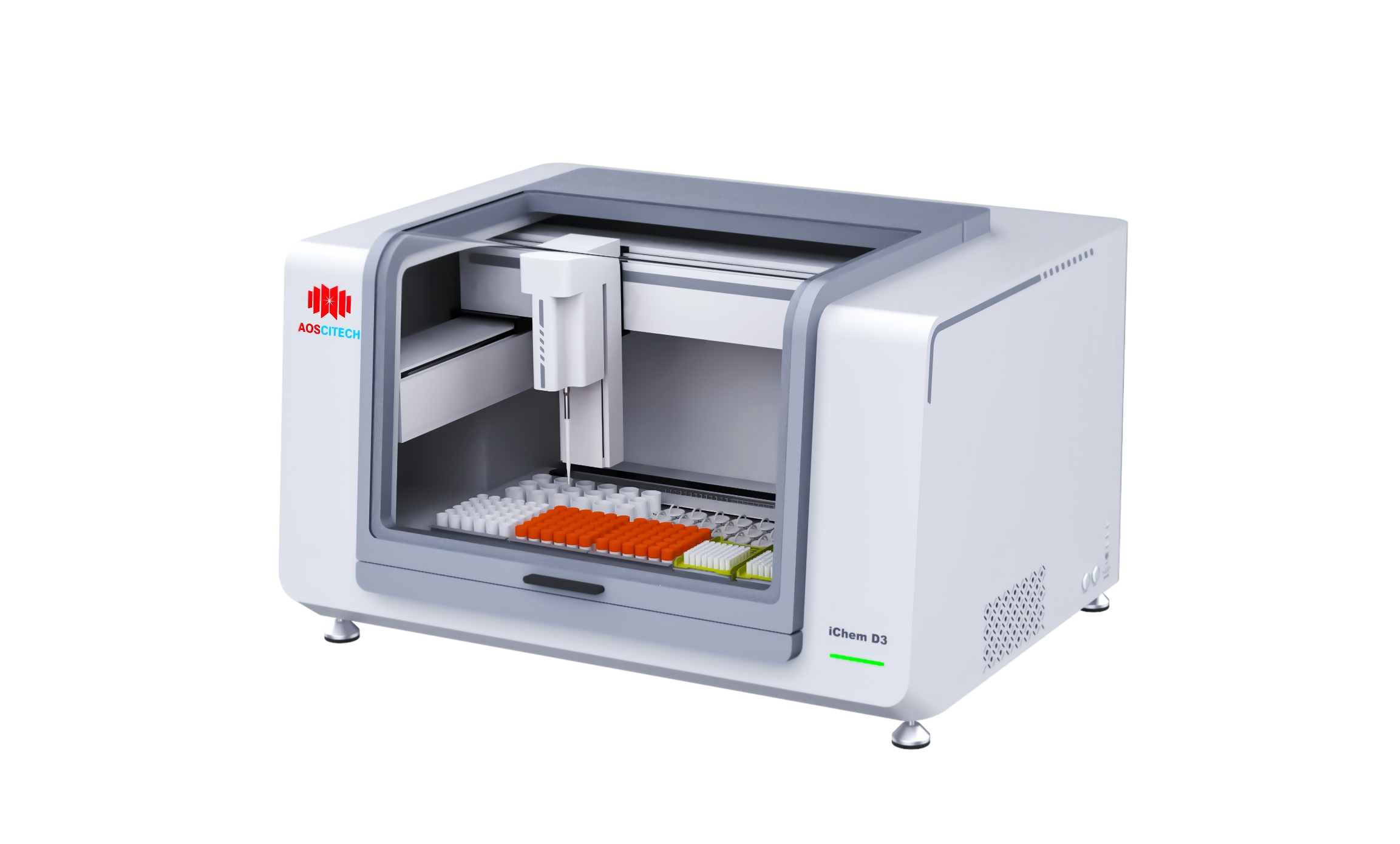
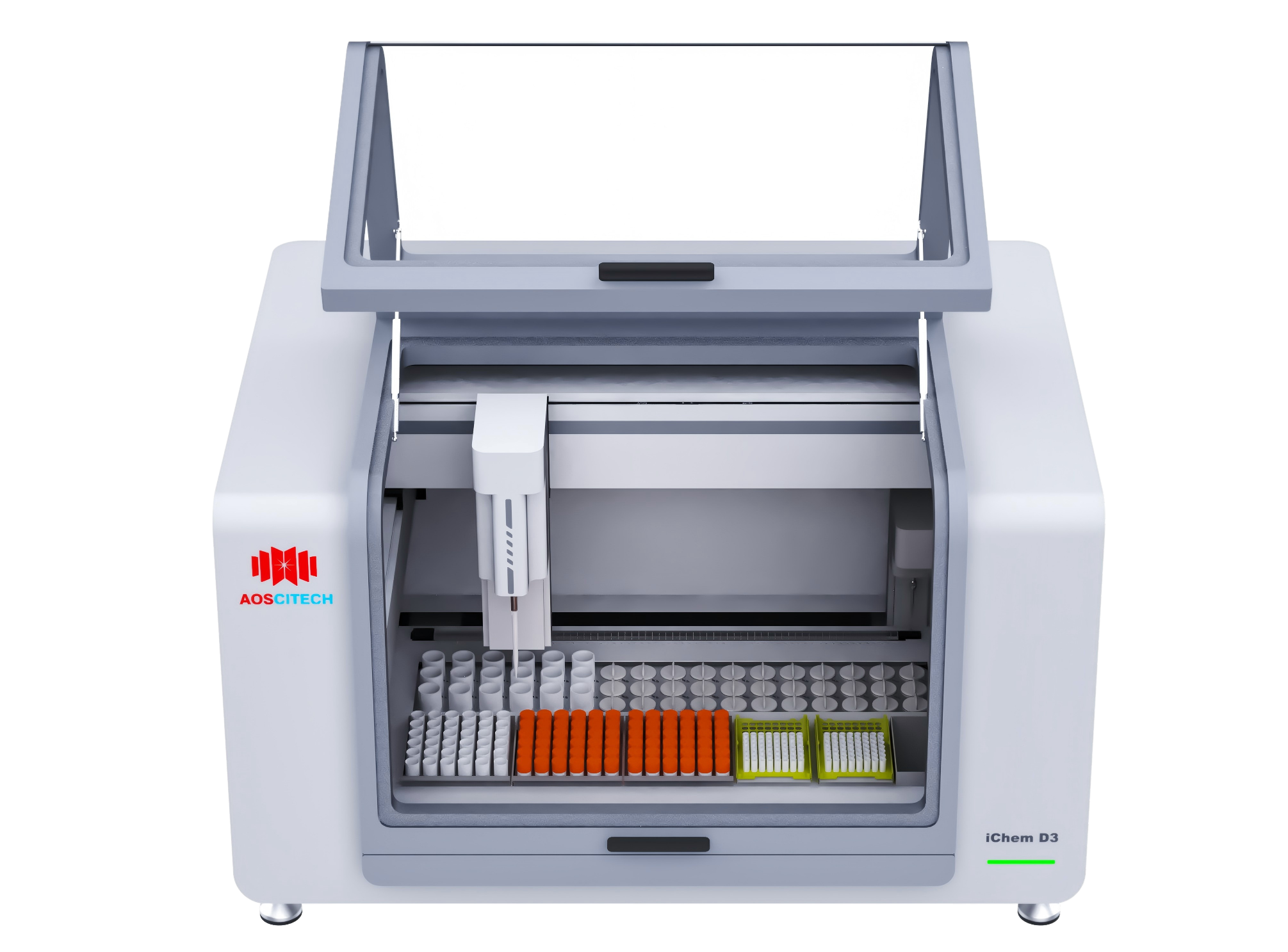
A fully automatic discrete chemical analyzer is a high-end analytical instrument that fully automates traditional wet chemical analysis, especially colorimetric methods. It precisely simulates and replaces the entire manual process of sample addition, reagent addition, reaction, colorimetry, cleaning, and data processing through robotic arms and computer programs. In the petroleum and chemical industry, this type of instrument is playing an increasingly important role.
I. Main Applications in the Petroleum and Chemical Industry
The production process in the petroleum and chemical industry involves extensive water quality monitoring, raw material analysis, and product quality control. The fully automatic discrete chemical analyzer is mainly applied in the following areas:
1. Water Quality Monitoring and Analysis (Core Application Area)
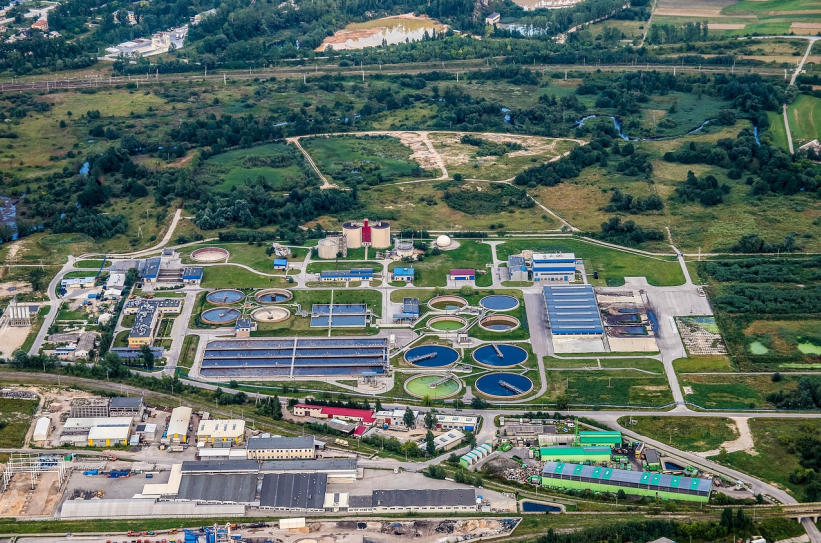
This is the most direct and widespread application of the instrument in the petrochemical industry. Petrochemical enterprises need to strictly monitor various types of water used in production and the wastewater discharged.
Industrial Circulating Water and Boiler Feedwater Analysis: Monitor indicators such as hardness, alkalinity, phosphate, silicate, chloride, and sulfate in water to prevent equipment scaling and corrosion, ensuring heat exchange efficiency and production safety.
Refinery Wastewater and Industrial Wastewater Discharge Monitoring: Strictly detect harmful substances in wastewater, including sulfides, volatile phenols, cyanides, ammonia nitrogen, total nitrogen, total phosphorus, and chemical oxygen demand (COD), to ensure that discharge indicators comply with national environmental protection regulations (e.g., GB standards) and international standards (e.g., EPA, ISO).
Raw Water and Demineralized Water Analysis: Analyze indicators such as turbidity, residual chlorine, iron, manganese, and aluminum in raw water entering the factory and demineralized water after treatment to ensure the quality of production water.
2. Raw Material and Auxiliary Material Analysis
Chemical Raw Material Analysis: Quickly determine the purity and impurity content of basic chemical raw materials such as acids, alkalis, and salts.
Catalyst Analysis: Analyze the solution composition during catalyst preparation or the residues in deactivated catalysts.
Fertilizer and Soil Amendment Analysis: For petrochemical branches involved in fertilizer production or soil remediation, analyze total nitrogen, total phosphorus, available potassium, ammonium nitrogen, and nitrate nitrogen in fertilizers and soil extracts.
3. Product Quality Control
Oil Additive Analysis: Determine the active ingredients, impurities, and key physicochemical indicators in additives.
Final Product Analysis: Perform colorimetric determination of purity and related impurities in certain fine chemical products, such as ethylene glycol, phenol, and acetone.
Practical Application Case:
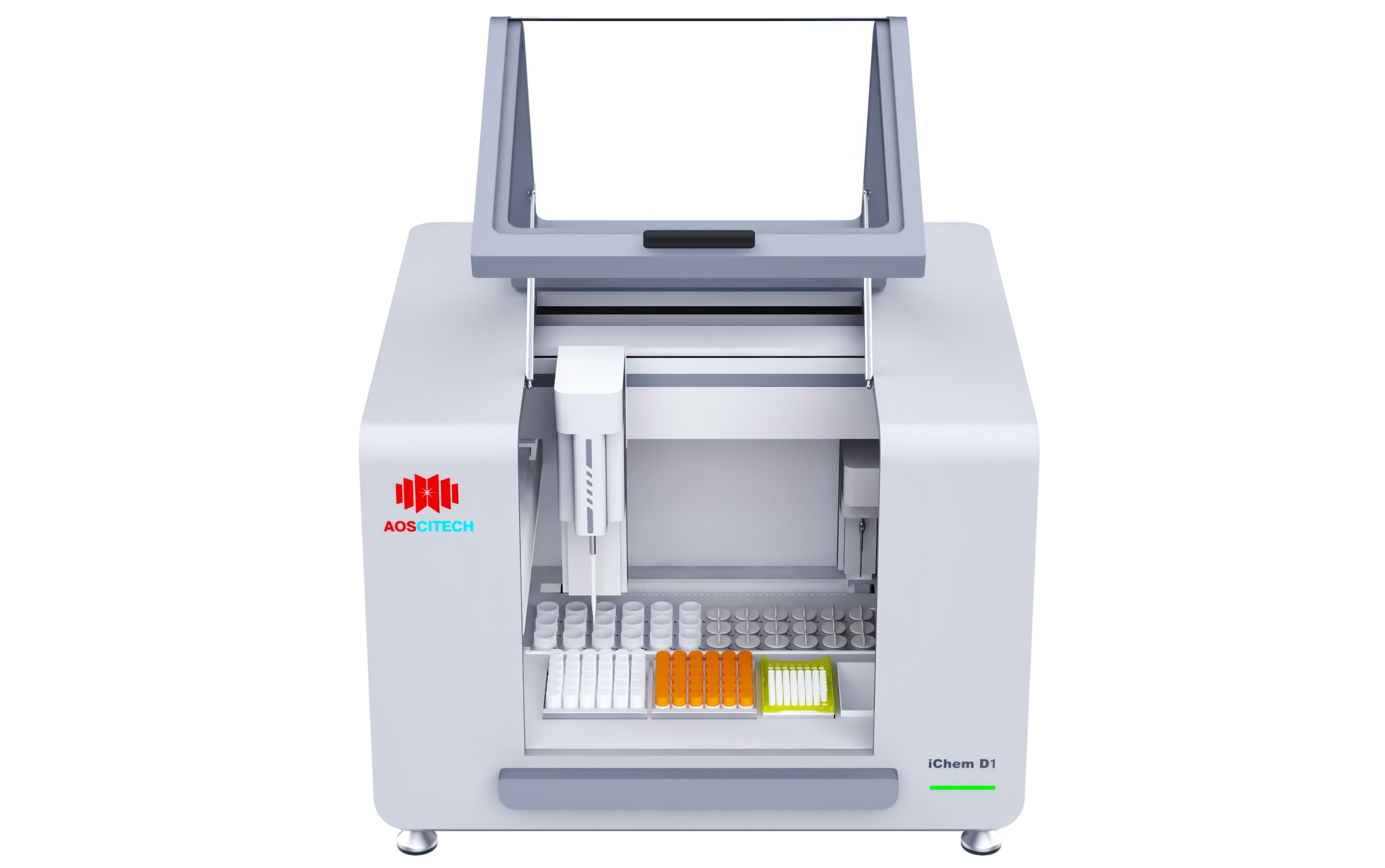
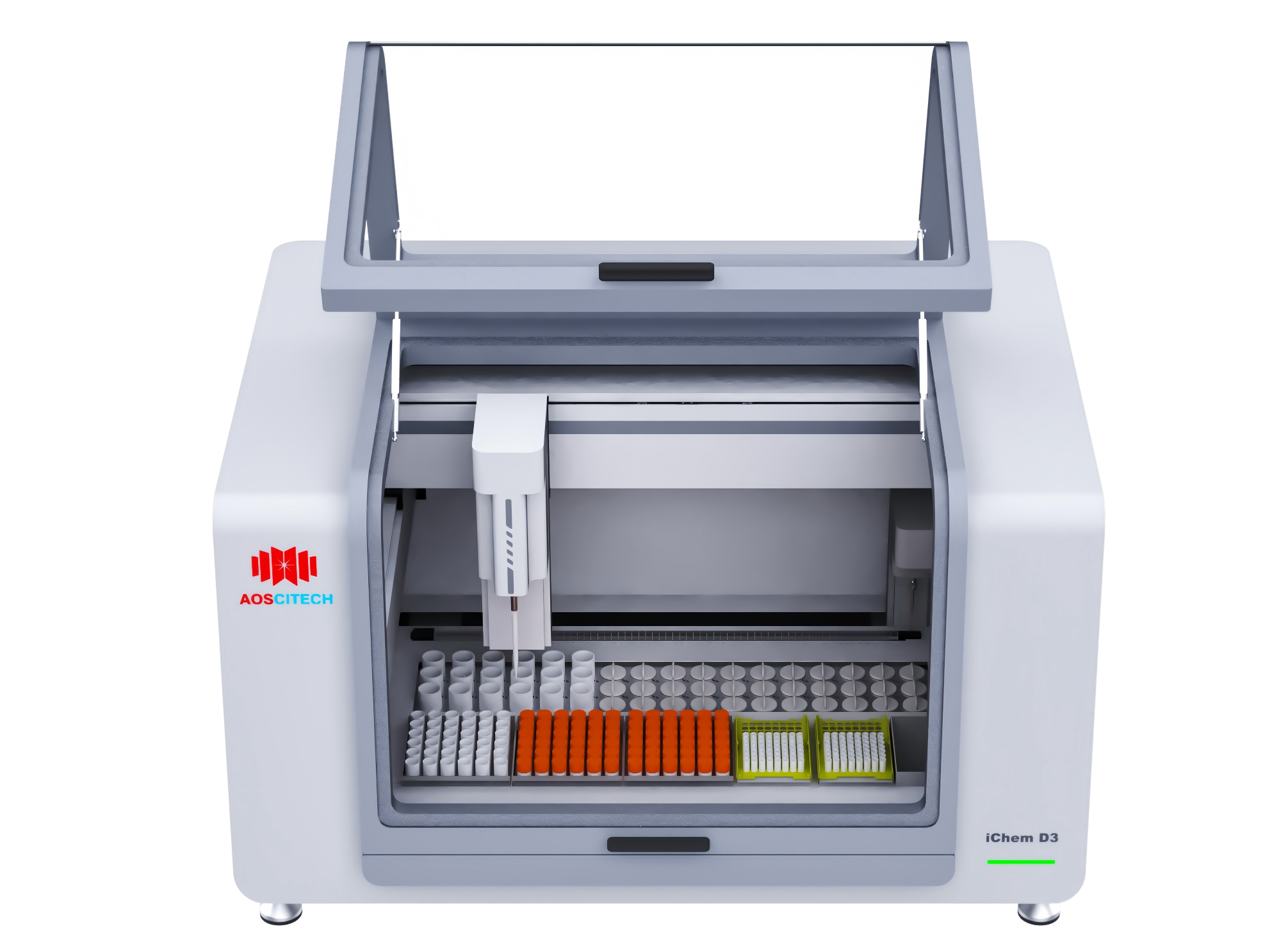
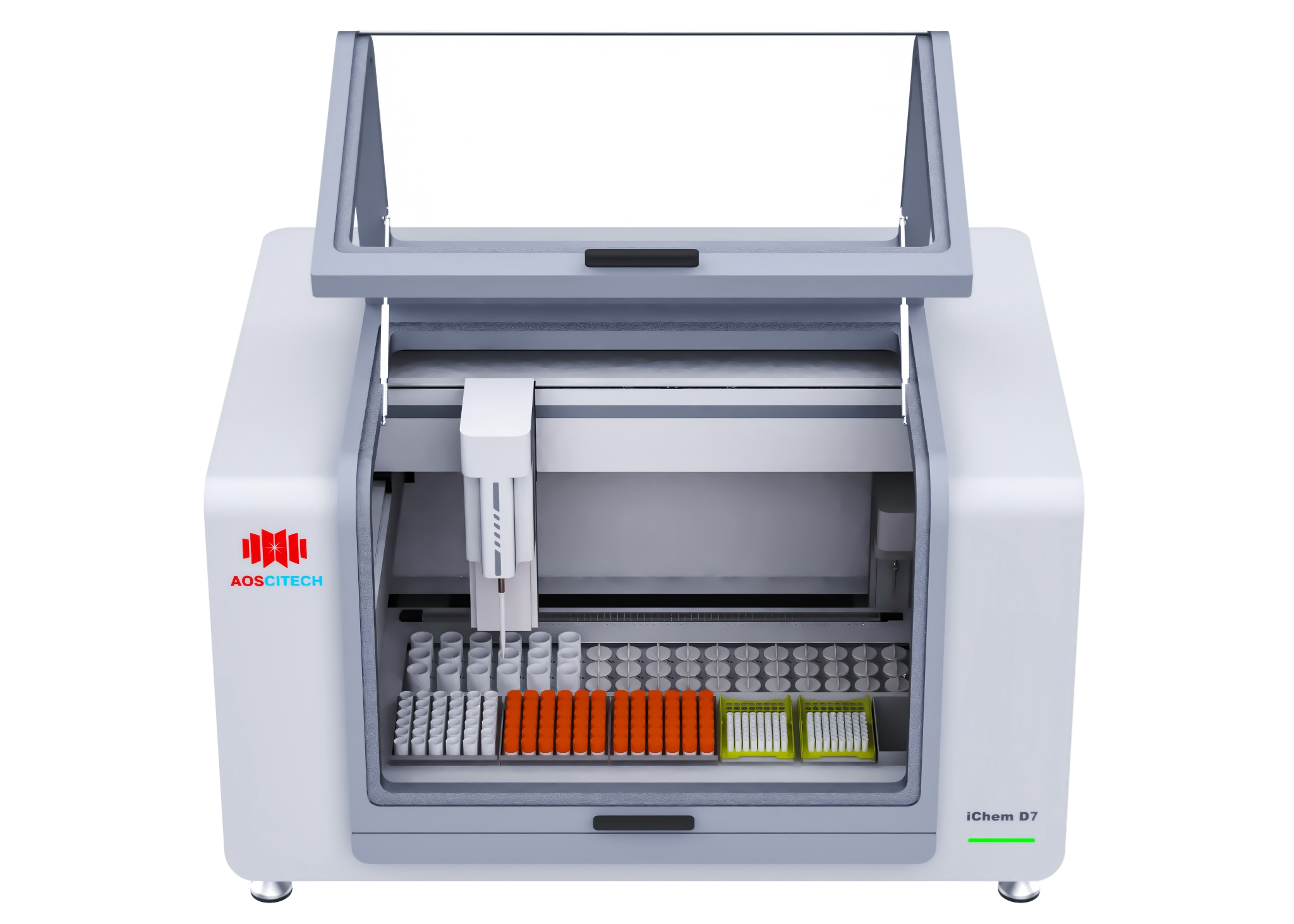
A petrochemical company has successfully applied the iChem series fully automatic discrete chemical analyzer developed by AOSCITECH for the fully automated detection of key indicators such as sulfides, volatile phenols, phosphates, nitrates, nitrites, and silicates in refinery wastewater and industrial water. This has solved the problems of slow speed, low accuracy, and interference from complex media such as crude oil in traditional manual analysis.
II. Advantages of Fully Automatic Discrete Chemical Analyzers
Compared to traditional manual analysis and some semi-automated instruments, fully automatic discrete chemical analyzers offer significant advantages in the petrochemical industry:
1. High Efficiency and Throughput, Liberating Manpower
Fast Analysis Speed: The analysis speed can reach up to 250-300 samples per hour, far exceeding manual efficiency.
Unattended Operation: The instrument features automatic sample introduction, dilution, cleaning, detection, and report generation. Operators only need to place the samples and reagents, press a button to start, and can then leave, achieving true "unattended operation" and significantly reducing the need for professional laboratory personnel. A case shows that a job that originally required 5 laboratory technicians can now be monitored by just 1 person.
Strong Batch Processing Capability: It can process a large number of samples at once, making it particularly suitable for the daily massive testing needs of petrochemical enterprises.
2. Precise and Reliable, with Consistent Results
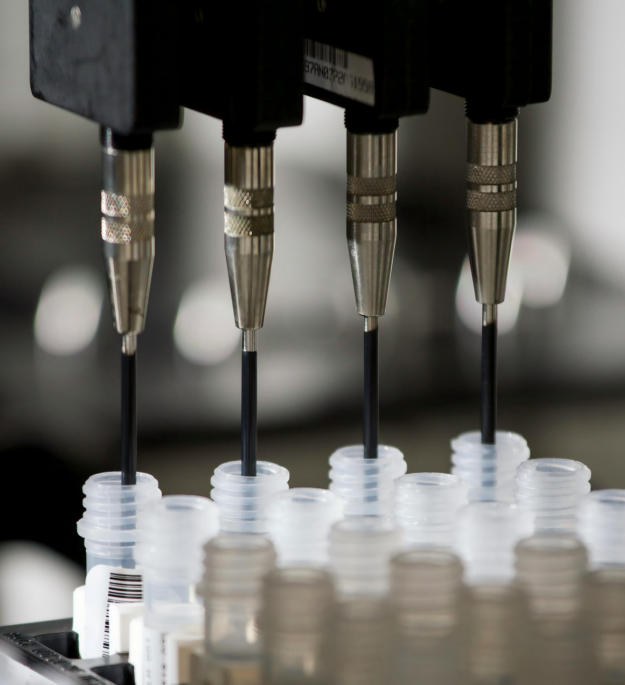
Elimination of Human Errors: The instrument uses high-precision micro-sampling needles and programmed operations to completely avoid subjective errors and operational inconsistencies caused by manual sample addition, timing, and reading.
Consistent Reaction Conditions: It precisely controls reaction temperature and time, ensuring that the color reaction conditions are identical for each sample, improving analytical precision and accuracy.
Authoritative Methods: The analysis methods mainly refer to ISO, US EPA, and Chinese national standards (GB), making the detection results authoritative and comparable, fully meeting industry regulatory and quality control requirements.
3. Low Cost and Environmentally Friendly
Extremely Low Reagent Consumption: Using microliter-level reagents, the reagent consumption is only 1/20 to 1/30 of that in traditional chemical methods, greatly saving on the cost of expensive specialized reagents.
Reduced Wastewater Discharge: The significant reduction in reagent and sample usage means a corresponding decrease in chemical wastewater generated, lowering the cost and environmental pressure of wastewater treatment, in line with the concept of green chemical industry.
4. Safe and Reliable, Reducing Risks
Reduced Personnel Exposure: All sample addition, reaction, and detection processes are automatically completed within a closed system by the instrument, minimizing the opportunity for laboratory personnel to come into contact with toxic and harmful chemical reagents such as sulfides, strong acids, and alkalis, ensuring personnel safety.
Safe Wastewater Collection: The instrument is equipped with a wastewater sensing and collection system, effectively preventing the escape of toxic and harmful gases and avoiding pollution to the laboratory environment.
5. High Degree of Intelligence and Informatization
Data Traceability and LIMS Integration: Analysis results can be automatically exported to the Laboratory Information Management System (LIMS), enabling electronic data management, traceability, and sharing, and improving the informatization management level of the laboratory.
Simultaneous Multi-parameter Determination: Equipped with a multi-wavelength detection system, it can simultaneously determine multiple physicochemical indicators of the same sample, further enhancing analysis efficiency.
In conclusion, with its advantages of high efficiency, precision, low cost, safety, and high automation, the fully automatic discrete chemical analyzer has become an indispensable key piece of equipment for water quality monitoring and routine chemical analysis in the petroleum and chemical industry, helping enterprises achieve significant cost reduction, efficiency enhancement, and safe production while ensuring analytical quality.